Piscataway Locksmith Service Team
Local locksmith team
Apr 21, 2026 11 min read
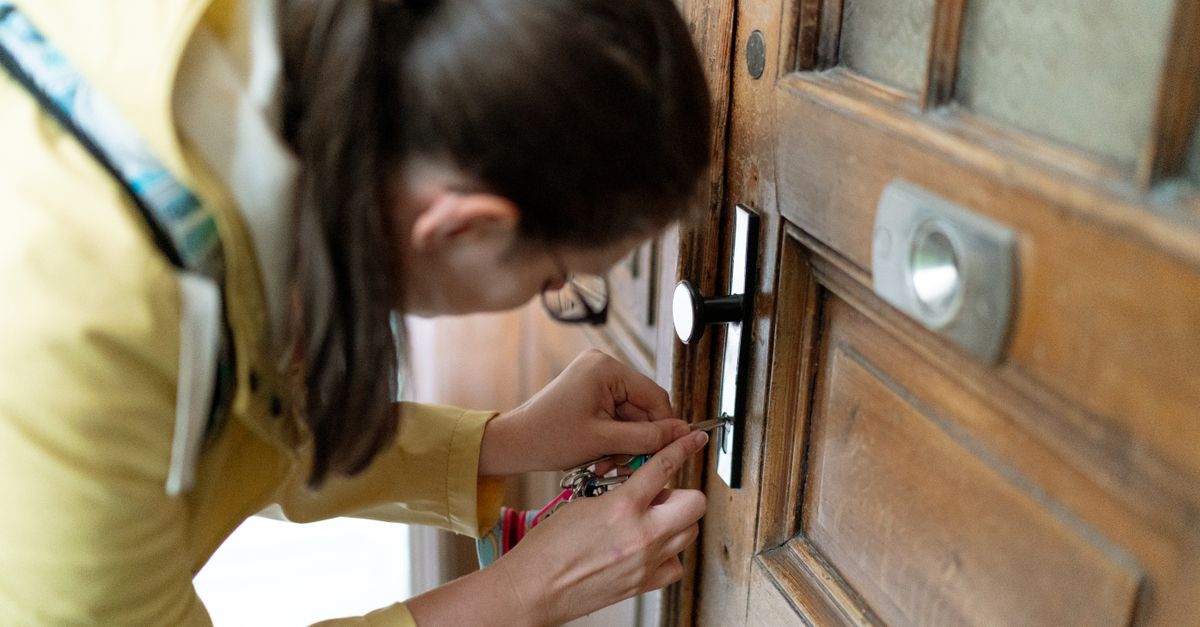
If you manage a multi-tenant office park off Route 1, run an industrial facility near the I-287 interchange, or oversee a sprawling commercial complex anywhere in Piscataway, NJ, you already know the headache of juggling dozens — sometimes hundreds — of keys. Who has access to the server room? Can the overnight cleaning crew reach the break room but not the finance office? A master key system solves exactly these problems, and understanding how tiered master keying works can save your business serious administrative pain while genuinely strengthening your physical security.
At Piscataway Locksmith, we work with business owners across Piscataway — from the research corridors near Rutgers' Busch Campus to the warehouse districts clustered along Centennial Avenue — to design, install, and service master key systems built around mortise lock hardware. This guide breaks down how the hierarchy works, where it fits best, and what to ask before any keys are cut.
## What a Master Key System Actually Is — and How the Tiers Work
A master key system is a precisely engineered hierarchy of keys and locks. At its simplest, every employee gets a 'change key' — a key that opens only their assigned door or doors. A department manager holds a 'sub-master' key that opens every door within their zone. A building superintendent or owner holds the grand master key, which opens everything on the property. Some large campuses — think a multi-building industrial complex off New Durham Road — add a fourth tier called a great grand master, giving a property management company access across multiple buildings while each building's manager still has independent sub-master access.
The engineering behind this is a system of additional pin chambers inside each lock cylinder, called master wafers or master pins. These extra pins create secondary shear lines so that two different keys — the change key and the master — can both rotate the cylinder. When a qualified locksmith designs the system from scratch, they map out the entire key matrix before a single key is cut, ensuring no accidental cross-keying (a situation where an employee's key inadvertently opens a door it shouldn't). That planning phase is arguably the most important step in the whole process.
## Why Mortise Lock Hardware Is the Right Foundation for Commercial Master Keying
Not every lock type is equally suited to a master key system, and for commercial and industrial properties in Piscataway, the mortise lock is almost always the professional's first recommendation. A mortise lock is a full-body lock mechanism that fits into a pocket — the 'mortise' — cut into the edge of the door. Unlike a standard door knob lock or a cylindrical bored lock, the mortise lock houses the latch, deadbolt, and cylinder all in one robust case. That larger internal volume accommodates the extra pin stacks a master key system requires without compromising the lock's structural integrity.
Mortise lock cylinders also accept a wider range of high-security key blanks, including restricted keyways that prevent unauthorized duplication at a hardware store. For a Piscataway business owner worried about key control — a former employee handing a key to someone else, for instance — a restricted mortise lock cylinder means only our team can cut new keys with proof of authorization. Brands like Schlage and Medeco produce mortise lock bodies designed specifically for commercial master key applications, and we stock and service these regularly. If your building currently relies on door knob lock hardware throughout, upgrading to mortise lock cylinders at key access points is one of the most practical security investments you can make.
## Real Scenarios: Where Tiered Master Keying Fits Piscataway Properties
Consider a three-story office building near the intersection of Stelton Road and Centennial Avenue — a common layout in this part of Middlesex County. The ground floor has shared reception, a mail room, and a conference suite. The second floor holds accounting and HR. The third floor is IT infrastructure. A tiered master key system lets the receptionist access only the front office and conference rooms, the HR director access all of floor two plus shared spaces, the IT manager access the server room and utility closets, and the building owner open every door on all three floors. No single key fits everywhere except the grand master — and that key stays in the owner's control.
Industrial buildings present a different but equally compelling case. A light manufacturing facility near I-287 might have a loading dock, a production floor, a quality control lab, a tool crib, and a management suite. Each area carries different liability and safety concerns. Restricting tool crib access to shift supervisors while letting general workers reach the production floor and break room is exactly the kind of layered control a master key system delivers. And because the system is built on mortise lock cylinders, it can survive the heavy daily use an industrial environment demands. If your current setup relies on a mix of padlocks and door knob lock sets with no coherent access plan, a professional assessment is a smart first call — reach out to us at 732-479-0193 and we can walk through your floor plan before recommending a layout.
## Planning and Installing Your System: What the Process Looks Like
A proper master key system installation begins with a site survey. A skilled commercial locksmith walks every access point — exterior doors, interior offices, restricted rooms, emergency exits — and documents the current hardware. From that survey, we build a key bitting list: a coded record of every cut on every key in the system. This document is confidential and stays with you as the property owner; it is essential for adding keys or cylinders later without disrupting the existing hierarchy.
Hardware selection comes next. For most Piscataway commercial properties, we recommend mortise lock cylinders with a restricted keyway on high-security doors (server rooms, executive offices, cash handling areas) and standard master-keyed cylinders on lower-risk interior doors. Once the hardware is confirmed, cylinders are pinned to the key matrix — a process done at our bench, not on-site, to maintain precision. Installation day is typically straightforward: existing door prep is usually compatible with mortise lock bodies, and our team carries the tools to make adjustments on the spot. We also re-key or de-key any existing locks that will stay in place but need to join the new system. After installation, we hand over a complete key record and walk every authorized keyholder through how the hierarchy works. The cost of a master key system depends on factors including the number of doors and key tiers, the hardware grade selected, the complexity of the key matrix, and whether existing door prep needs modification — we confirm an exact price before any work begins, with no surprises at the end of the job.
For businesses that operate around the clock — a 24-hour distribution center near the Piscataway industrial corridor, for example — an emergency locksmith call because a master key was lost or a cylinder failed can happen at any hour. That is why we operate as a 24/7 mobile locksmith. Whether it is a planned installation on a Tuesday afternoon or an emergency locksmith call at 2 a.m. because the night manager is locked out of the utility room, we respond across Piscataway and the surrounding Middlesex County area.
## Maintaining Key Control and Knowing When to Re-Key
The ongoing discipline of key control is what separates a well-run master key system from one that gradually becomes a security liability. Establish a written key log from day one: every key has a number, and every issuance is signed for. When an employee leaves, that key number is flagged immediately. If the key is returned, it can be reassigned; if it is not returned, that cylinder — and only that cylinder — needs to be re-keyed. Because the system is a hierarchy, re-keying one cylinder does not necessarily require cutting a new grand master key. A skilled locksmith can isolate the change and repin the affected lock while keeping the rest of the system intact, which keeps your re-keying costs proportional to the actual risk.
Plan for an annual audit. Walk every access point, verify that every keyholder still needs the access they have, and check cylinders for wear — particularly mortise lock cylinders on high-traffic exterior doors. Worn pins cause keys to stick or fail to retract the bolt cleanly, and in a commercial environment that can mean a jammed door during a busy shift. Routine servicing of the mortise lock mechanism — cleaning, lubricating, checking the cam and tail piece — extends the life of the hardware significantly. We offer scheduled maintenance visits for businesses in Piscataway that want a consistent service contact rather than calling in emergencies. To set up an assessment or a maintenance plan, call 732-479-0193 — we answer 24 hours a day, seven days a week.
## Piscataway Locksmith Services: A Complete Range Built for This Community
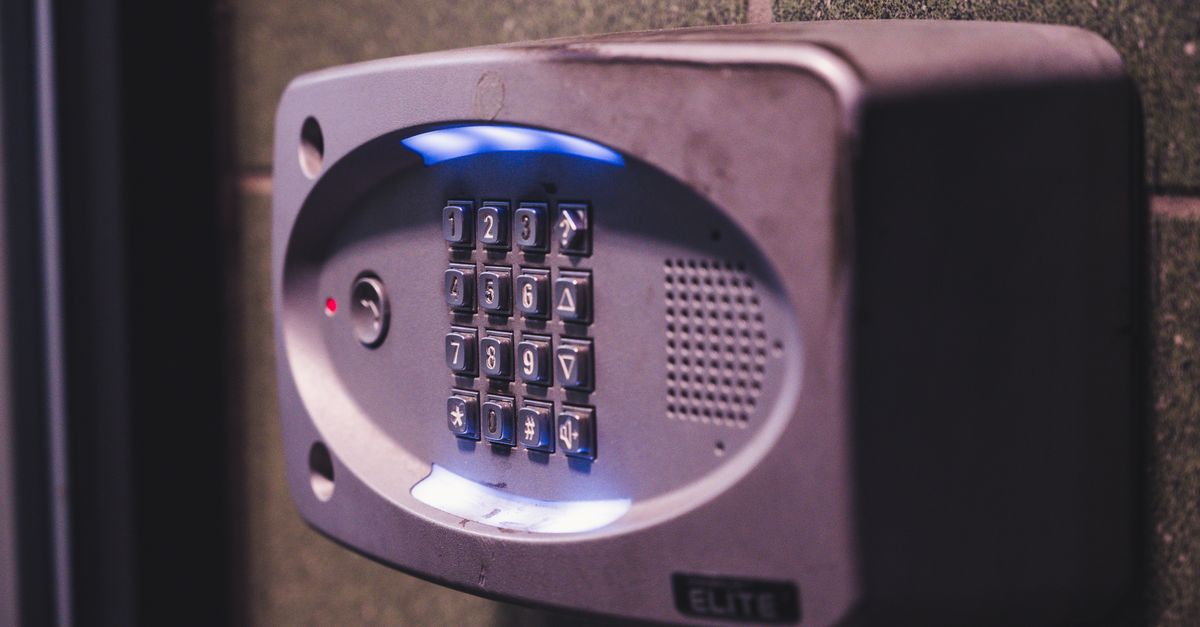
Beyond master key systems, our mobile team handles the full spectrum of residential and commercial security needs across Piscataway and greater Middlesex County. Our services include: mortise lock installation and repair, mortise lock re-keying, master key system design and installation, commercial lock-out response, residential lockout assistance, high-security deadbolt installation, door knob lock replacement, cylindrical lock re-keying, padlock and hasp installation, keypad and electronic access control installation, push-bar and panic hardware installation, door frame and strike plate reinforcement, mailbox lock replacement, garage door lock service, safe opening and safe re-combination, safe installation and anchoring, automotive lockout service, car key duplication, transponder key programming, key fob replacement and programming, broken key extraction (door locks and ignitions), lock cylinder replacement, sliding door and window lock installation, peephole installation, and emergency locksmith response for both residential and commercial properties — available every hour of every day throughout the Piscataway area.
Frequently asked questions
How much does a locksmith cost in NJ?+
There is no single flat rate — the final price for any locksmith service in New Jersey depends on several factors: the type and brand of hardware involved (a standard door knob lock re-key differs from a full mortise lock cylinder replacement), the time of day (after-hours and weekend calls involve different logistics), travel distance from our dispatch point, and whether any parts need to be sourced. For a master key system, the number of doors, tiers, and the grade of hardware chosen all factor into the quote. What we commit to at Piscataway Locksmith is transparency: we confirm an exact price before any work begins, so you know the full amount upfront with no hidden charges at the end of the job.
What is an emergency locksmith, and when should I call one?+
An emergency locksmith is a mobile technician available outside normal business hours — nights, weekends, and holidays — to handle urgent access problems: a business lockout that is blocking operations, a broken key stuck in a mortise lock cylinder at a facility that runs overnight shifts, or a failed lock on a high-security door that cannot be left unsecured. At Piscataway Locksmith, our emergency locksmith service covers all of these scenarios 24 hours a day. The right time to call is any time a lock failure or access problem creates an immediate safety or security risk that cannot wait until the next business day — do not attempt to force a mortise lock or door knob lock; forced entry can damage the door and the hardware and often costs more to repair than a professional service call would have.
Can a professional locksmith open a safe?+
Yes — opening a safe is a well-established part of commercial locksmith work. A skilled locksmith can open most residential and commercial safes through non-destructive manipulation techniques, and in cases where that is not possible, through controlled entry methods that minimize damage to the safe body. Common reasons business owners in Piscataway call us for safe work include forgotten combinations, worn or failed dial mechanisms, electronic keypad failures, and safes acquired through a business purchase where the prior combination was never transferred. After opening, we can re-combination the lock to a code only you know, or replace the locking mechanism entirely. Safe work is quoted based on the safe type, lock mechanism, and the method required — we confirm the price before starting.
What should Piscataway business owners know about local security and choosing a locksmith?+
Piscataway is a diverse commercial community — from the dense office and lab campuses near Rutgers to the industrial corridors along I-287 and Centennial Avenue — and physical security needs vary significantly by property type. When choosing a locksmith for commercial work like a master key system, look for a team with hands-on experience with mortise lock hardware and documented commercial installations, not just residential re-keying. Ask whether they carry the hardware on the vehicle or order it separately, whether they provide a written key record after a master key installation, and whether they can service the system after installation rather than leaving you dependent on a manufacturer. Piscataway Locksmith is insured, operates 24/7, and serves the full Piscataway area from a mobile unit stocked for both planned commercial projects and emergency calls. Reach us any time at 732-479-0193.