What Is a Mortise Lock and Why It Matters for Commercial Doors
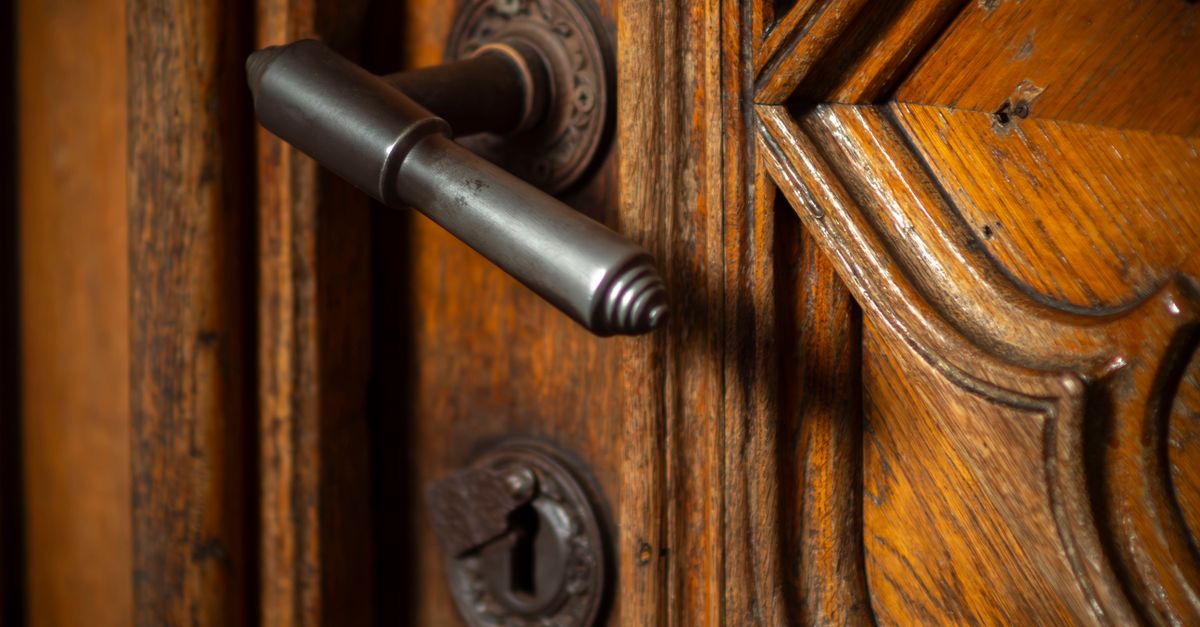
A mortise lock is a complete locking mechanism installed inside a precisely routed pocket — the mortise — cut into the body of the door. The lock body itself contains the latchbolt, deadbolt, and in many commercial configurations a separate auxiliary latch, all within a single unified case. This internal architecture is what separates a mortise lock set from a surface-mounted rim lock or a simple knob-and-deadbolt combination: the hardware is recessed, making it nearly impossible to attack from the outside without damaging the door itself. On commercial entry doors — solid-core wood, hollow metal, or aluminum-framed glass — Grade 1 mortise hardware is widely specified because it meets the highest ANSI/BHMA performance ratings for cycles, security, and finish durability.
The mortise lock cylinder is the replaceable core at the heart of the system. In a high-traffic commercial building, the ability to re-key or swap cylinders without replacing the entire lock body is a major operational advantage. Brands like Corbin Russwin and Baldwin mortise lock products are engineered with interchangeable cylinder formats, so your building's master key system can be extended or restructured as your tenant roster or staff changes. Our technicians work across the full range of commercial-grade mortise hardware and can help you select the right function — classroom, storeroom, office, or entrance — based on your specific access control needs.