How Car Key Replacement Works — Cutting, Chipping, and Programming by Brand
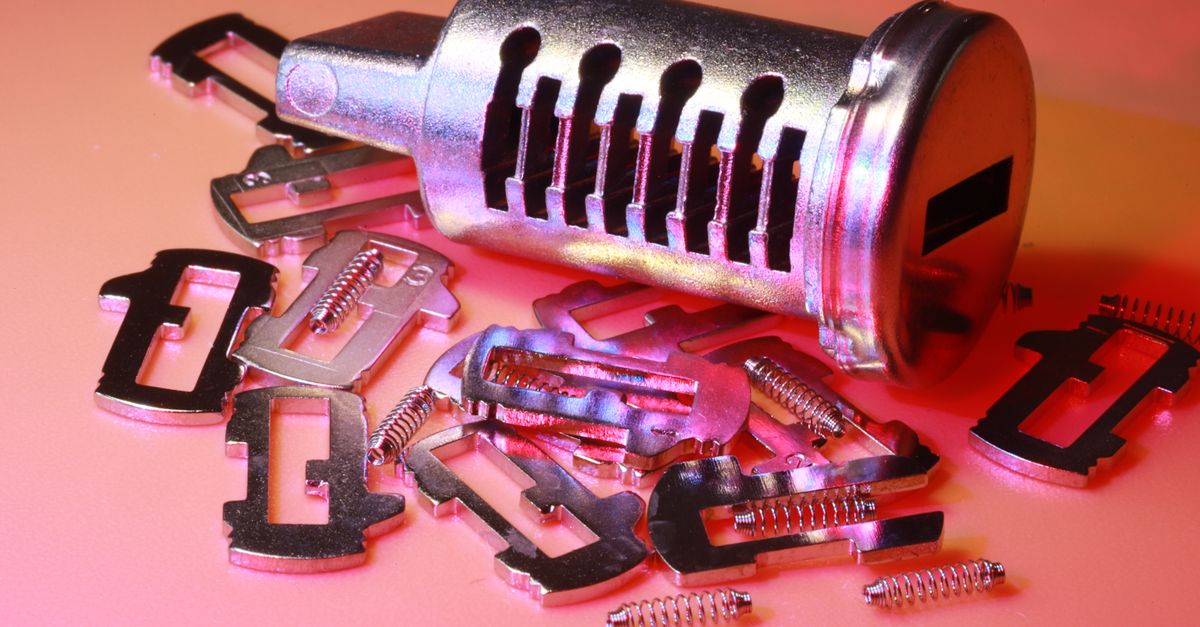
The process of producing a working replacement key involves three distinct stages that must all be executed correctly. First, the key blade is cut to match your vehicle's lock cylinders using precision key-cutting equipment — a step that must account for the exact profile required by your specific make, model, and year. Second, if your vehicle uses a transponder key (which covers the vast majority of cars made after the mid-1990s), a chip must be programmed to your car's immobilizer so the engine control unit recognizes the new key as authorized. Third, if you use a key fob or a smart proximity key, the remote functions — lock, unlock, trunk release, and panic — must be synced to your vehicle's receiver module. Our technicians handle all three stages at your location, whether that is a driveway off River Road or a surface lot near the Piscataway Town Center.
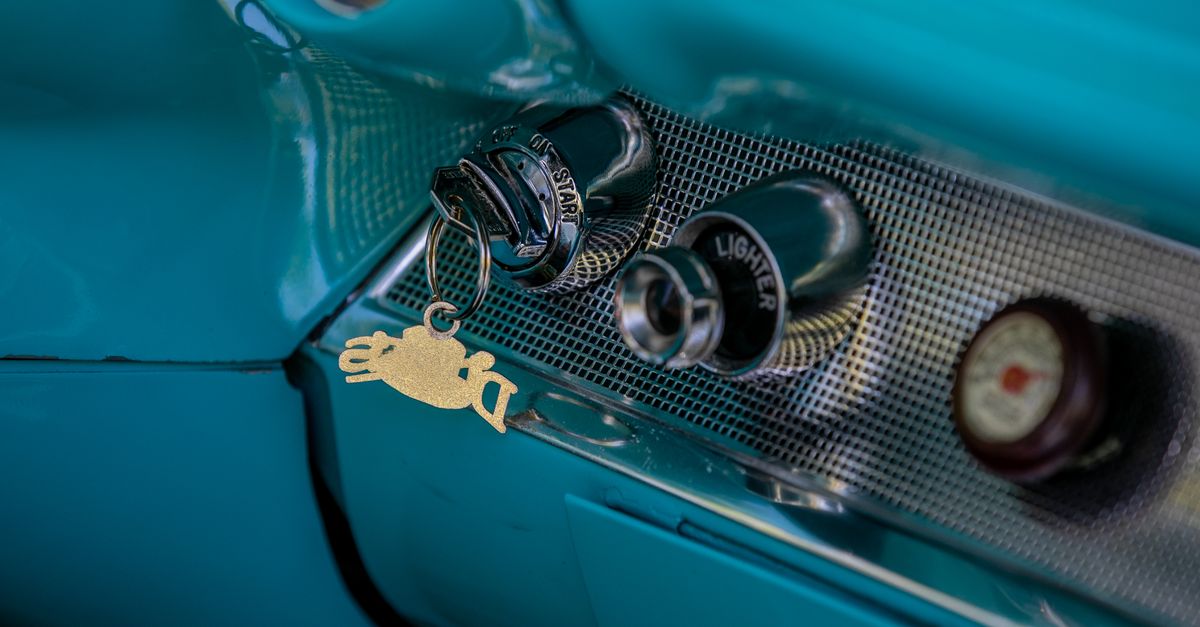
Brand-specific requirements vary significantly. Toyota and Lexus vehicles often require a special all-keys-lost procedure when no working key remains, involving a pin code retrieval step before programming can begin. Ford and Lincoln smart keys use a proprietary protocol that differs from their standard transponder keys. Honda and Acura models manufactured in the last several years use 128-bit encrypted transponder chips that require OBDII-based programming rather than the older RF-based methods. BMW, Mercedes-Benz, and Audi vehicles frequently require dealer-level diagnostic equipment plus secure token authorization, all of which our team is equipped to handle. Chevrolet and GMC trucks with the PassLock or VATS security systems have their own resistance-based immobilizer logic. Knowing these brand-specific details is what separates a trained automotive locksmith from a generic key cutter — and it is exactly the kind of expertise our Piscataway team brings to every call.