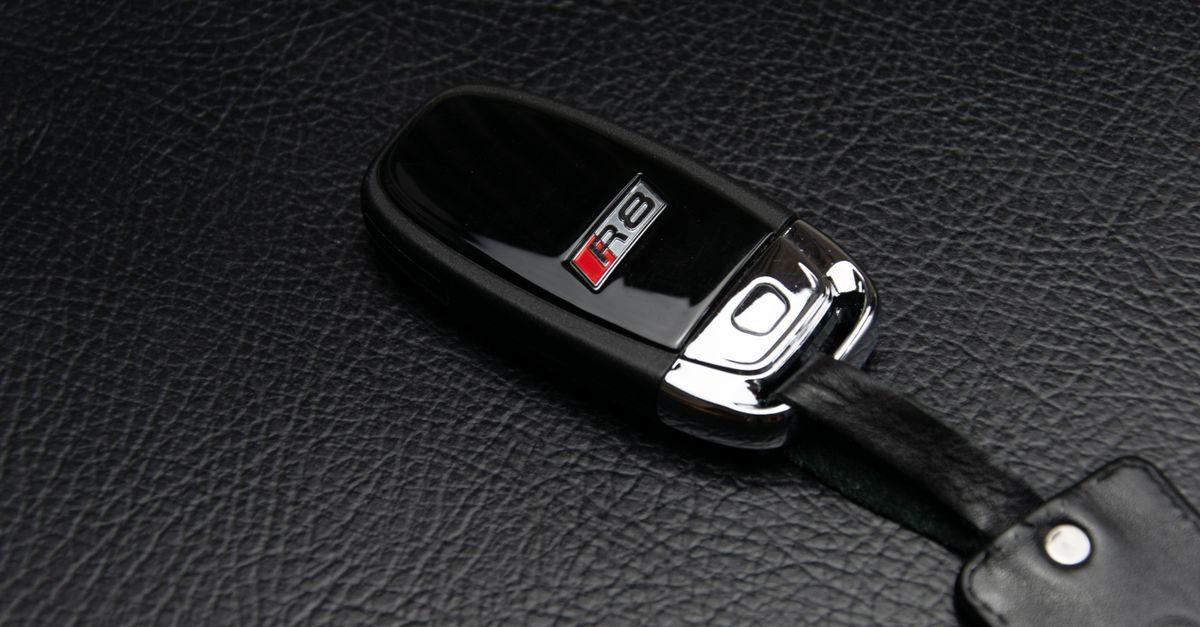
Audi Car Key Replacement: What Makes It Different From Other Vehicles
Audi builds multiple layers of security directly into its key technology, which is a big reason why simply ordering a blank key online and heading to a hardware store will not work. Virtually every Audi key produced in the last two decades contains either a transponder chip, a remote fob circuit, or both — and newer models use a push-button smart key system where the key communicates with the car continuously via rolling-code encryption. If the key and the vehicle's ECU are not programmed to recognize each other, the engine will not start regardless of how perfectly the blade is cut. Our technicians understand the distinctions across Audi model years and trim lines, from the A3 and A4 to the Q5, Q7, e-tron, and beyond, and we carry the hardware to handle each.
There are three main key types you will encounter on Audi vehicles. Traditional transponder keys have a chip embedded in the plastic head that must be coded to the car's immobilizer module — lose the only key and the module must be reset entirely. Remote head keys combine the transponder with lock, unlock, and trunk buttons in a single unit, adding a second layer of programming. Smart keys, used extensively on newer Audi models, allow keyless entry and push-button start without removing the key from your pocket; these require the most complex pairing process but are well within the scope of what our mobile team handles on-site in Piscataway every day.