Piscataway Locksmith Service Team
Local locksmith team
Aug 25, 2026 10 min read
When you are standing in the hardware aisle at a Piscataway home improvement store — or waiting on a locksmith after a lockout near Stelton Road — the difference between a mortise lock and a door knob lock can feel like a small technical detail. In practice, that choice shapes how secure your door is, how long the hardware lasts, and what it costs to service or replace down the line. This side-by-side comparison breaks down both lock types in plain language so you can make a confident decision for your home or business.
Whether you are upgrading the entry door on a colonial in the Possumtown Road corridor, hardening a rental property near Rutgers, or outfitting a commercial suite off Route 1, understanding the strengths and limits of each lock type is the first step toward a door that actually protects what matters.
## What Is a Mortise Lock — and How Does It Differ from a Door Knob Lock?
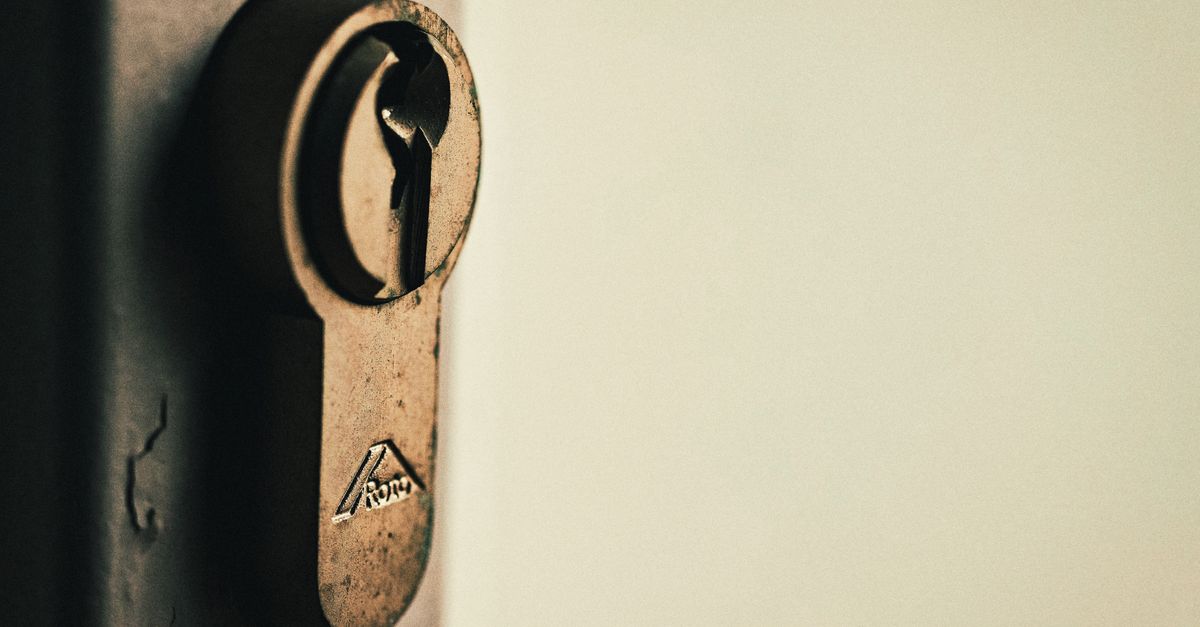
A mortise lock is a lock set that is installed by cutting a deep rectangular pocket — the mortise — directly into the edge of the door. The lock body sits inside that pocket, making the entire mechanism flush with or recessed into the door itself. A full mortise lock set typically includes a deadbolt, a latch, a strike plate, and often a lever or knob trim on both sides, all driven by a single integrated chassis. Because the hardware is embedded rather than surface-mounted, the door and lock become structurally unified. That is a meaningful advantage when someone is applying force to the door.
A door knob lock, sometimes called a knob lock or cylindrical lock, takes a very different approach. The lock mechanism rides inside the knob itself, and the whole assembly passes through a cylindrical bore drilled through the door face. Installation is faster and the hardware is less expensive upfront, which is why door knob with lock configurations became the residential standard throughout most of the twentieth century. However, the cylindrical design concentrates stress on a smaller cross-section of door, and the knob can be vulnerable to wrench attacks or shimming of the spring latch. For interior doors and secondary entry points, a quality door knob with lock and key is often entirely appropriate — but for a primary exterior door, most security professionals recommend pairing it with a deadbolt at minimum.
## Mortise Lock Strengths: Why Commercial and High-Security Doors Rely on Them
The embedded chassis of a mortise lock distributes kick and pry forces across a larger area of the door and frame, rather than concentrating load on two small bores. High-grade mortise lock sets — including those from manufacturers like Schlage — also incorporate anti-pick pins, hardened steel inserts, and anti-drill plates as standard features, rather than as premium add-ons. This is why you will find mortise locks on virtually every commercial entry door, hotel room, and government building: the duty cycle and security demands of those environments simply require it.
For Piscataway homeowners, the calculus is similar if you have a solid wood or fiberglass entry door that sees heavy daily use, or if your property sits on a busier corridor where deterrence matters. A mortise lock is noticeably harder for an experienced locksmith to service — the precision tolerances inside the chassis require specific tools and real familiarity with the mechanism. That is not a drawback; it is a feature. If a trained professional finds the job involved, an opportunistic intruder will too. Our team services, installs, and rekeyes mortise hardware regularly across the Piscataway area, and we carry common replacement cylinders and chassis parts on the truck.
## Door Knob Lock Strengths: Where Cylindrical Locks Still Make Sense
Calling the cylindrical door knob lock outdated would be an overstatement. On interior doors — bedrooms, bathrooms, home offices — a door knob with lock provides the privacy and light security those spaces need without the cost or complexity of full mortise hardware. On secondary exterior doors that already have a separate heavy-duty deadbolt above them, a quality knob lock handles the latch function perfectly well. Brands like Kwikset offer Grade 2 and Grade 1 cylindrical locks that include anti-pick and anti-bump features, closing the security gap considerably.
The practical advantages of the cylindrical format are real: the installation footprint is standardized, replacement hardware is widely available, and rekeying a door knob lock is a straightforward job that most experienced locksmiths can complete quickly. If you are a landlord managing turnover at a multi-unit property near New Brunswick Avenue, being able to rekey every unit efficiently matters. If you have lost your keys or locked yourself out, knowing that a professional can reach you fast — day or night — also matters. Call 732-479-0193 any time and our team will be on the way.
## How to Choose Between a Mortise Lock and a Knob Lock for Your Piscataway Door
The right choice comes down to four factors: door location, door material, usage volume, and your overall security layering. For a primary exterior entry door — the front door of a home on Metlars Lane or the main entry of a business suite off Centennial Avenue — a mortise lock or a deadbolt-plus-knob combination is the appropriate starting point. If the door is hollow-core, upgrading the lock is only part of the solution; the door itself and the strike plate installation quality matter just as much. For interior doors, secondary passages, or budget-constrained secondary entries that already have a solid deadbolt, a Grade 1 cylindrical knob lock is a sensible, cost-effective answer.
Businesses in the Piscataway area face an additional layer of consideration. High-traffic commercial doors — think a retail entry or a medical office reception — benefit from the durability and integrated locking options a commercial-grade mortise lock set provides. A commercial locksmith familiar with local building use patterns can assess whether your current hardware matches your actual exposure. When you call us for a consultation or a service call, we will look at the full picture: the door, the frame, the strike, and the way the space is actually used, before recommending anything.
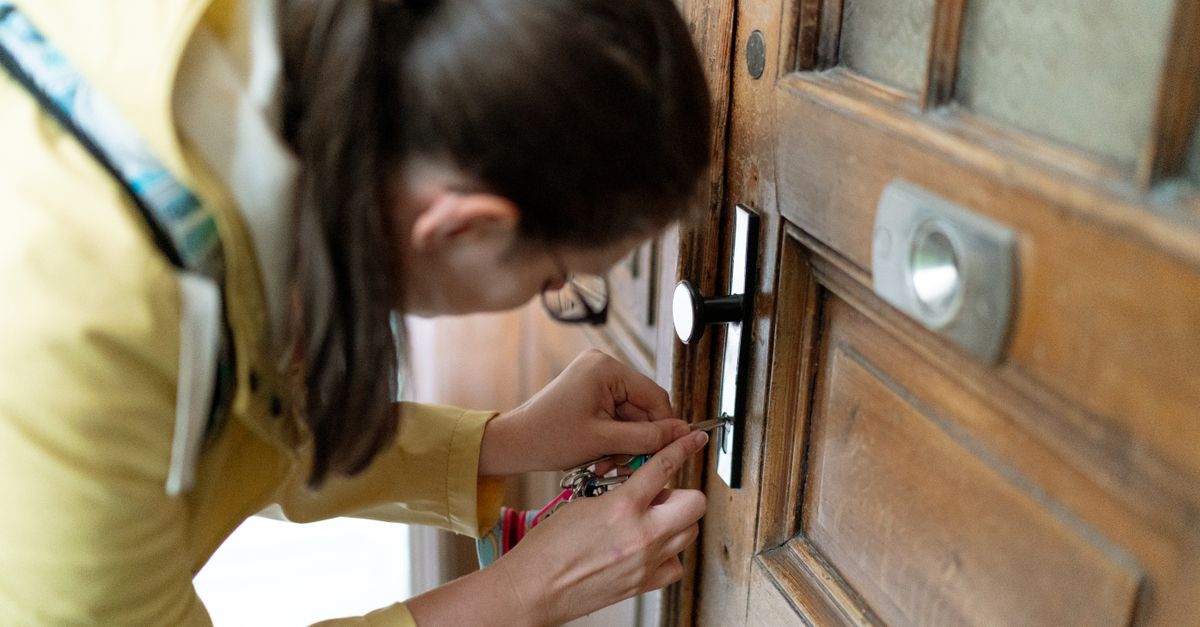
One scenario worth highlighting is the lockout. If you cannot get into your own home or business, how easy a lock is to open through legitimate professional means is a reasonable question. A skilled locksmith can open both mortise and cylindrical locks non-destructively in most situations by confirming ownership and using professional tools — so neither type should leave you stranded longer than necessary. What you should never do is attempt to pick a door knob lock or any other lock yourself without training: you risk damaging the cylinder, the door, or injuring yourself, and you may create a situation that requires a full lock replacement rather than a simple unlock. Instead, check for a spare key with a trusted neighbor, see whether a rear or garage entry is accessible, then call a professional if those options are exhausted.
## Piscataway Locksmith Services: Mortise, Cylindrical, and Everything Between
Our team serves homeowners, landlords, and businesses throughout Piscataway and the surrounding areas — from the neighborhoods near Rutgers University to properties along the River Road corridor and beyond. We offer a complete range of locksmith solutions, including: residential lock installation and replacement, mortise lock installation and repair, mortise lock set rekeying, cylindrical door knob lock installation, door knob with lock and key replacement, deadbolt installation and upgrade, high-security lock installation, master key system design, lock rekeying after a move or tenant change, residential lockout service, commercial lockout service, commercial lock installation, commercial door hardware upgrades, access control system installation, keypad and electronic lock installation, panic bar and exit device installation, mailbox lock replacement, file cabinet and desk lock service, safe opening and safe lock repair, padlock and chain replacement, car lockout service, auto key replacement and duplication, transponder key programming, broken key extraction, and lock repair after a break-in or attempted forced entry.
Every service call begins with a straightforward conversation about what you need, a look at the hardware involved, and an exact up-front price confirmed before any work starts. The factors that shape the final quote include the type and grade of lock or hardware involved, the time of day, travel distance to your location, and whether parts need to be sourced. There are no hidden fees after the fact. If you are dealing with an emergency locksmith situation — a lockout at midnight, a broken lock after a break-in attempt, or a key snapped off in the cylinder — we are available around the clock. An emergency locksmith call is handled with the same care and transparency as a scheduled appointment: you know the price before we touch the door.
Frequently asked questions
What is a mortise lock, and do I need one for my home?+
A mortise lock is a lock whose mechanism is embedded inside a pocket cut into the door edge, rather than sitting on the door surface. The result is a more structurally integrated and typically more secure assembly than a standard cylindrical lock. Whether you need one depends on your door type, location, and security goals. Primary exterior doors on homes — especially those with solid wood or fiberglass construction — benefit most from mortise hardware. Our team can assess your current setup and give you a straight recommendation based on what we actually see at your door.
How much does a locksmith cost in NJ for a lock installation or lockout?+
The cost of a locksmith service in New Jersey depends on several factors: the type and grade of the lock or hardware involved, the time of day the work is performed, the travel distance to your location, and whether replacement parts are needed on the spot. A scheduled lock installation during business hours will generally differ from an overnight emergency lockout call. What we commit to is confirming an exact price with you before any work begins, so there are no surprises on the invoice. Call 732-479-0193 to describe your situation and we will give you a clear number upfront.
What is an emergency locksmith, and when should I call one?+
An emergency locksmith is a professional available outside normal business hours — nights, weekends, and holidays — to handle urgent lock and key situations. Common reasons to call include being locked out of your home or vehicle, a broken key stuck in the cylinder, a lock damaged after a break-in attempt, or a malfunctioning lock that leaves a door unable to close or secure properly. Before calling, it is worth quickly checking for a spare key with a trusted contact or seeing whether another entry point is accessible. If those options are not available, calling a professional is the right move — attempting to force or pick a lock yourself risks damaging the hardware and can turn a simple unlock into a full replacement job. We answer at 732-479-0193 every hour of every day.
Can a professional locksmith open a safe?+
Yes, a qualified locksmith with the right training and equipment can open most residential and commercial safes without destroying them. The approach depends on the safe type — combination dial, electronic keypad, or key lock — and the reason access is lost, whether that is a forgotten combination, a dead battery, a jammed bolt, or a malfunctioning lock mechanism. Ownership verification is always part of the process before any work begins. Safe opening is one of the services we carry out regularly for Piscataway homeowners and businesses, and like every service call, we confirm the price with you before starting the work.